Industrial software · United States
Software for industrial operations
Custom platforms, ERP integrations and data infrastructure for suppliers, distributors and manufacturers — built by people who run the software behind one.
01 · Platforms
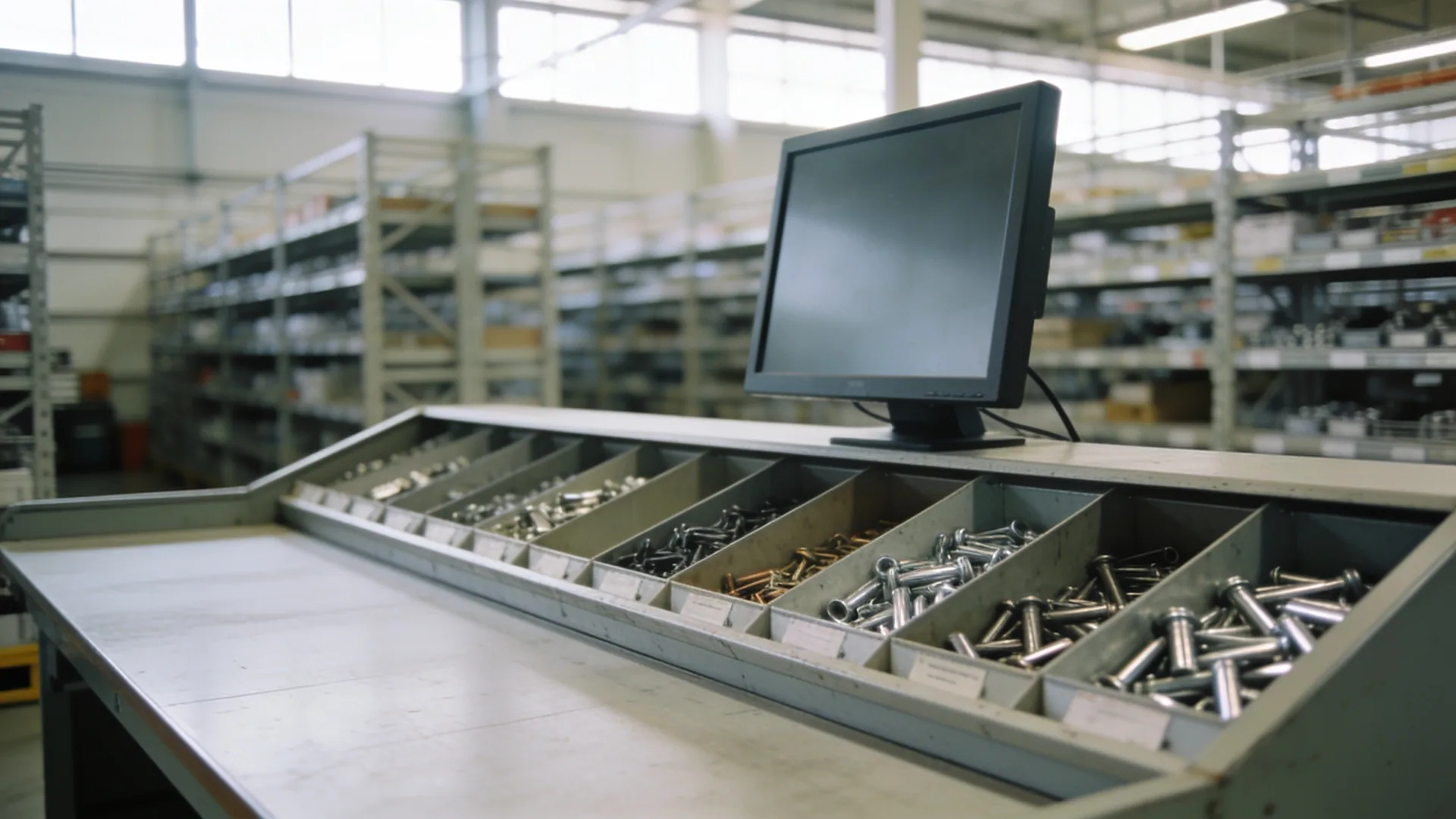
Portals, quoting, warehouse, field
The work your team does in spreadsheets and phone calls, turned into a system your customers self-serve — with the contract pricing, unit conversions and freight logic your catalog actually follows.
Portal development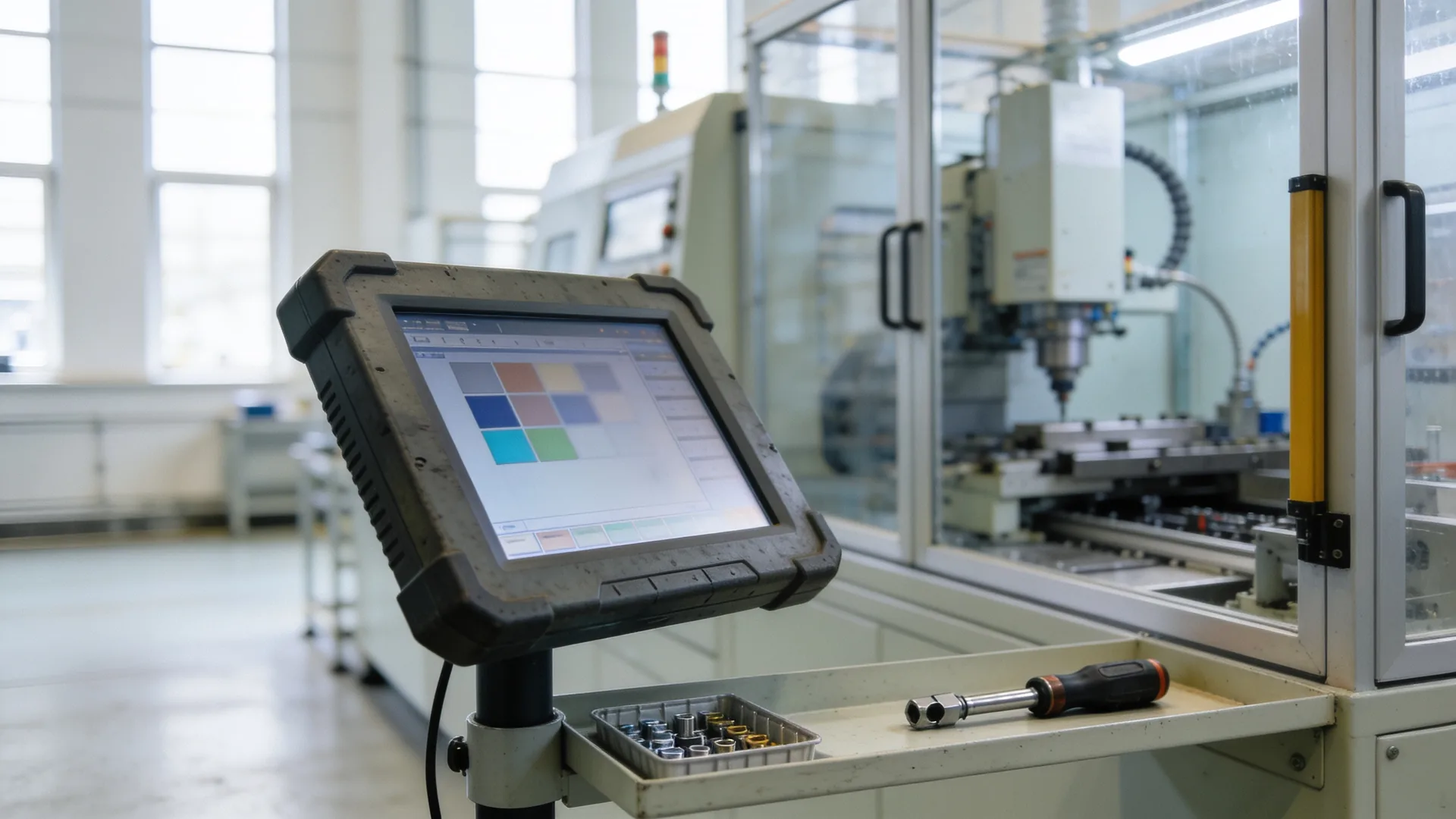
02 · Shop floor
MES-grade execution, without the MES
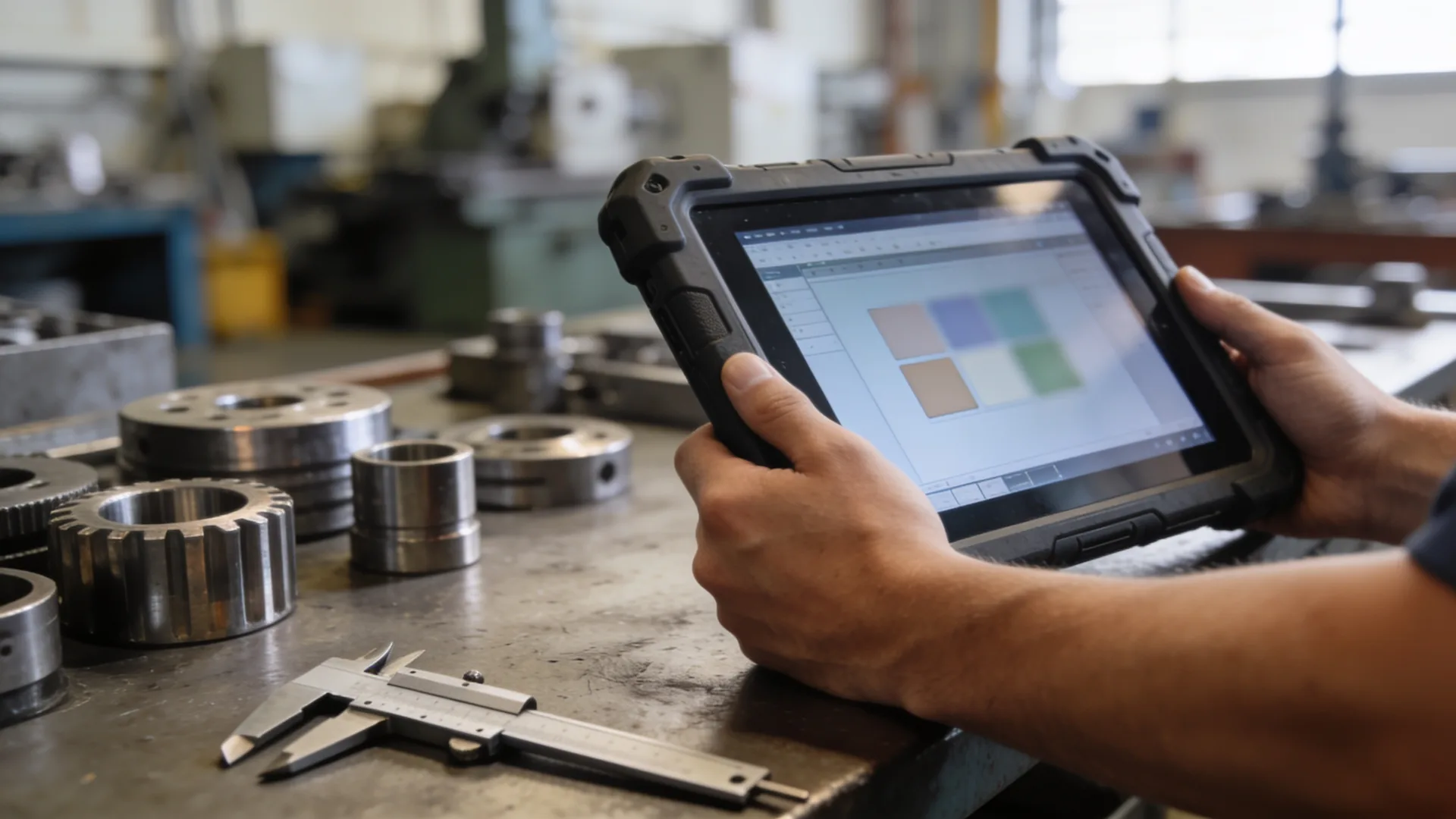
Order tracking, machine data and quality records on the line itself — built around how your plant actually runs, then wired back into ERP so the numbers agree.
- Order tracking and confirmations
- Live job status by operation, with lot and serial genealogy that holds up in a recall or an audit.
- Machine data over OPC UA or MQTT
- Availability, downtime reasons and scrap analysis from the equipment itself — not from a clipboard at end of shift.
- Paperless work instructions
- Operator guidance at the station, versioned with the part, so the line runs the current revision and nothing else.
- Quality capture and inspection records
- In-process checks recorded where the work happens, with certificates and test reports generated from the same data.
- Maintenance, spares and tooling
- Preventive schedules driven by runtime, with spare-part and tool availability visible before the job is released.
- Back into ERP and reporting
- Shop-floor events posted to ERP as they happen, so cost, capacity and OEE come from one set of records.
03 · Quality
Closing CAPAs, not logging them
Every quality suite on the market records corrective and preventive actions. The failures happen after the record exists — in four places no off-the-shelf product covers, because each one depends on data that lives in your systems.
-
01
Effectiveness checks
The action gets implemented; the evidence that the failure stopped recurring never gets produced. It is the FDA’s primary inspection point under 21 CFR 820.100 — and in most plants it is a spreadsheet somebody maintains by hand.
-
02
Root cause without the data
The evidence sits in ERP, MES, gauges, complaints and supplier records. Assembling it is manual work that takes weeks, so the investigation closes on the most available explanation rather than the right one.
-
03
Trending across cases
Twelve separate deviations point at one machine or one supplier, and nobody sees it, because each case was investigated on its own.
-
04
The backlog
Overdue and open CAPAs are the classic audit finding — not because the work is hard, but because no system owns escalation and due dates.
We build the layer that closes the loop: investigations that pull their own evidence, effectiveness verification with a defined measure and a review date, trending across cases by machine, part and supplier, and an escalation path that surfaces the backlog before an auditor does. It sits on top of your existing QMS — you do not replace what is already validated.
Scope a CAPA build
04 · Infrastructure
One truth across every system
ERP, WMS, PLM, commerce and EDI, connected through documented interfaces and event streams — idempotent writes, replayable failures, and reporting your controller stops arguing with.
05 · Method
Production in four to six weeks
Fixed-fee discovery, then two-week increments against a written scope. You own the code, the infrastructure and the documentation at every stage.
-
Week 1–2
Discovery, into the process
Fixed fee from $12k, credited against the build. Structured remote sessions with the people who run the process, working from your live data, screens and exports. Where the work is physical — a line, a warehouse, a gauge room — an on-site visit is scoped and quoted separately. You leave with a scope, an architecture and a number.
-
Week 3–6
First release
The narrowest slice that removes real work — live, with real users and real data.
-
Ongoing
Two-week increments
Demo, measure, re-prioritize against one dashboard of scope, spend and the metric we agreed to move.
-
Handover
Your asset, not ours
Your repositories, your cloud, documented architecture, runbooks and a trained internal owner.
06 · Your options
Four ways to get this built
We are not always the right answer. Here is how the realistic options compare for an industrial operator — including the two cases where you should not hire us.
| Option | Time to production | Industry knowledge | Best when |
|---|---|---|---|
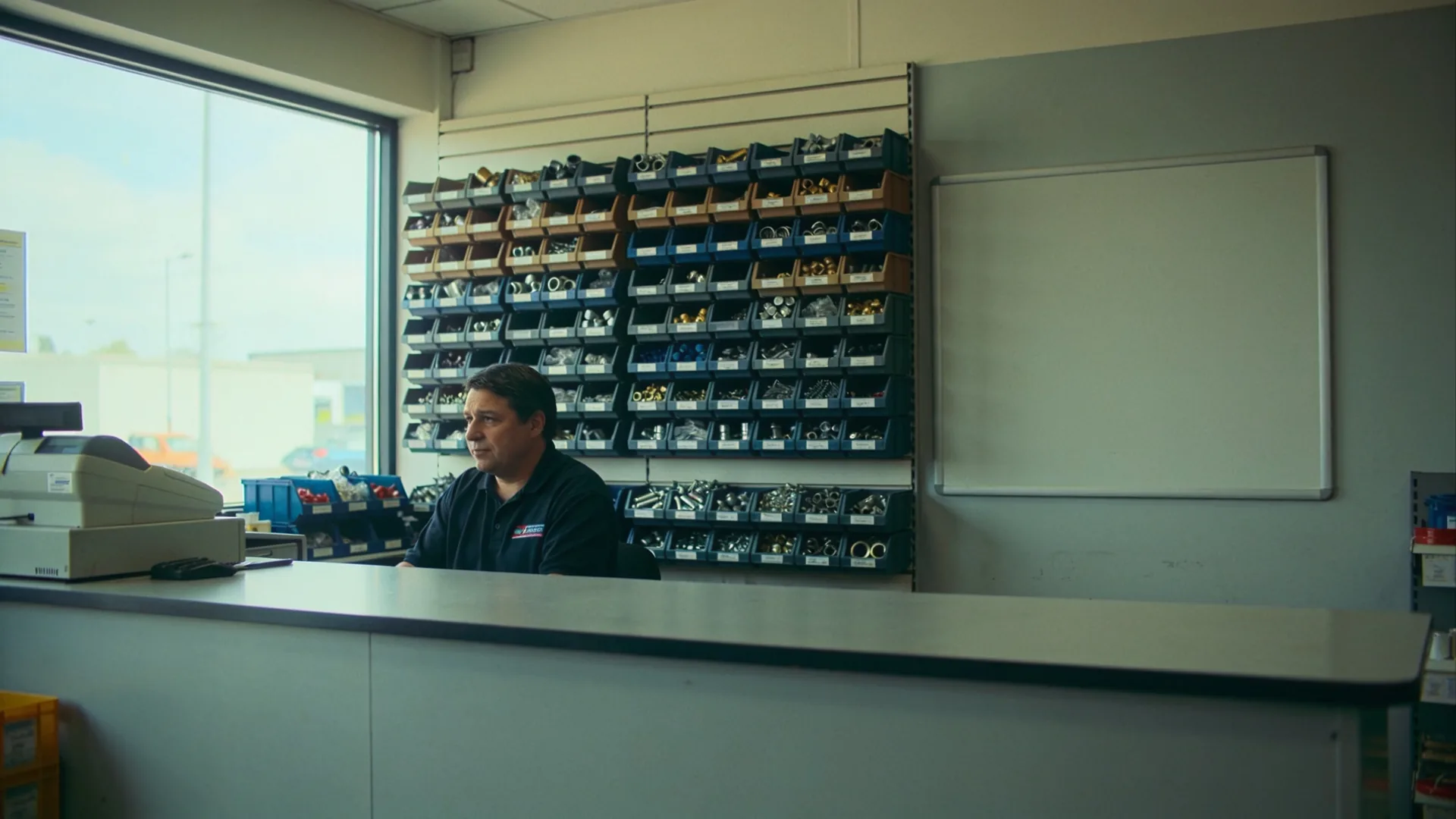
| Adeloi | 4–6 weeks | Built in — we build and run the software for cnc-shop.com, an operating B2B distributor of refurbished CNC spare parts | The process is the product and the ERP is in scope |
| Generalist agency | 3–6 months | Learned on your budget | Consumer-facing work with no operational core |
| Offshore staff aug | Depends on your specs | None — you supply it | You already have strong internal architecture and product ownership |
| Hire in-house | 6–12 months to first release | Grows over years | This becomes a permanent product team, not one system |
Do hire us if
Your quoting, inventory or order process is the constraint, several systems must agree, and someone senior owns the outcome.
Do not hire us if
A configured off-the-shelf product would cover it, or nobody internally can make decisions about the process. We will tell you in discovery either way.
07 · Start here
Scope it in two minutes
Six guided questions. You get an engagement shape, a team, a timeline and an investment range on screen — before you talk to anyone.
- Reviewed by an engineer, not an SDR
- Written response within one business day
- No newsletter, no follow-up sequence
08 · The short version
Adeloi in four facts
Adeloi is the software practice of Olevis LLC, building custom platforms, ERP integrations and data infrastructure for industrial suppliers, distributors and manufacturers.
- First release
- Four to six weeks from kickoff, in production with real users and real data.
- Investment
- Discovery $12k–$30k, credited against the build. Builds $60k–$400k, or an ongoing monthly engagement.
- Interfaces
- Documented REST and SOAP APIs, event streams and webhooks, OPC UA and MQTT on the plant side, EDI X12 and flat-file exchange. Coverage for your specific system and version is confirmed in discovery.
- Ownership
- Your code and IP from the first commit, in your repositories and cloud accounts.
09 · FAQ
Questions US buyers ask
+How fast can you ship something to production?
First production release is typically four to six weeks from kickoff, then two-week increments against a written scope.
+What does a first engagement cost?
Discovery is a fixed fee between $12k and $30k depending on how many systems are in scope, credited against the build. Build engagements typically run $60k–$400k; ongoing monthly engagements are billed by the month.
+Can you work inside our ERP without breaking it?
That is most of what we do. We integrate rather than customize where possible: read models, event streams and documented APIs, with the ERP left upgradeable. Tell us which system and which version you run, and discovery tells you what is actually reachable through its interfaces — and what is not. That answer is part of what you pay discovery for.
+Who owns the code and the IP?
You do, from the first commit — that part is not negotiable. What varies is who runs it afterwards, and you pick the model at kickoff:
- Full handover
- Your repositories, your cloud accounts, documented architecture, runbooks and a trained internal owner. We leave and you owe us nothing.
- Handover plus support
- Same transfer, plus a capped monthly retainer for incidents, dependency upgrades and the occasional change. Cancellable with 30 days' notice.
- We keep running it
- You still own everything; we stay on as the operating team with an agreed response time. The handover package is written anyway, so you can take it in-house whenever you choose.
No proprietary framework you have to license from us, and no exit fee in any of the three.
+How do you handle security and compliance review?
SOC 2 Type II is in progress. There is no report to hand you yet, and we would rather say that here than have it surface in your vendor review. What is in place today: least-privilege access, encryption in transit and at rest, infrastructure as code, audited change history, and separated environments with no production data in development. We sign your MSA, DPA and NDA, and we are prepared for enterprise vendor onboarding.
+What if we are not sure what we need yet?
Then discovery is the engagement. It often starts as "our quoting process is killing us" and ends as a written plan with a business case attached — sometimes recommending a product you should buy instead of software we should build.
Tell us where it breaks
Run the scoping tool for a written scope, or write to us directly. Either way you speak to the engineer who would do the work.
Services
Contact
- Adeloi is the software practice of Olevis LLC
- info@adeloi.com
- Remote-first, US business hours